Pay in installments of $6.54 with
 ,
,
 and
and

Shipping Estimate
USA
- USA
- CAN
- USA
- CAN
Ships within 48 hours · Estimated delivery Jul 27 - Aug 1
 Promo Codes Available:
For Your Every Summer RSVP, with Code: SUMMER15
Description
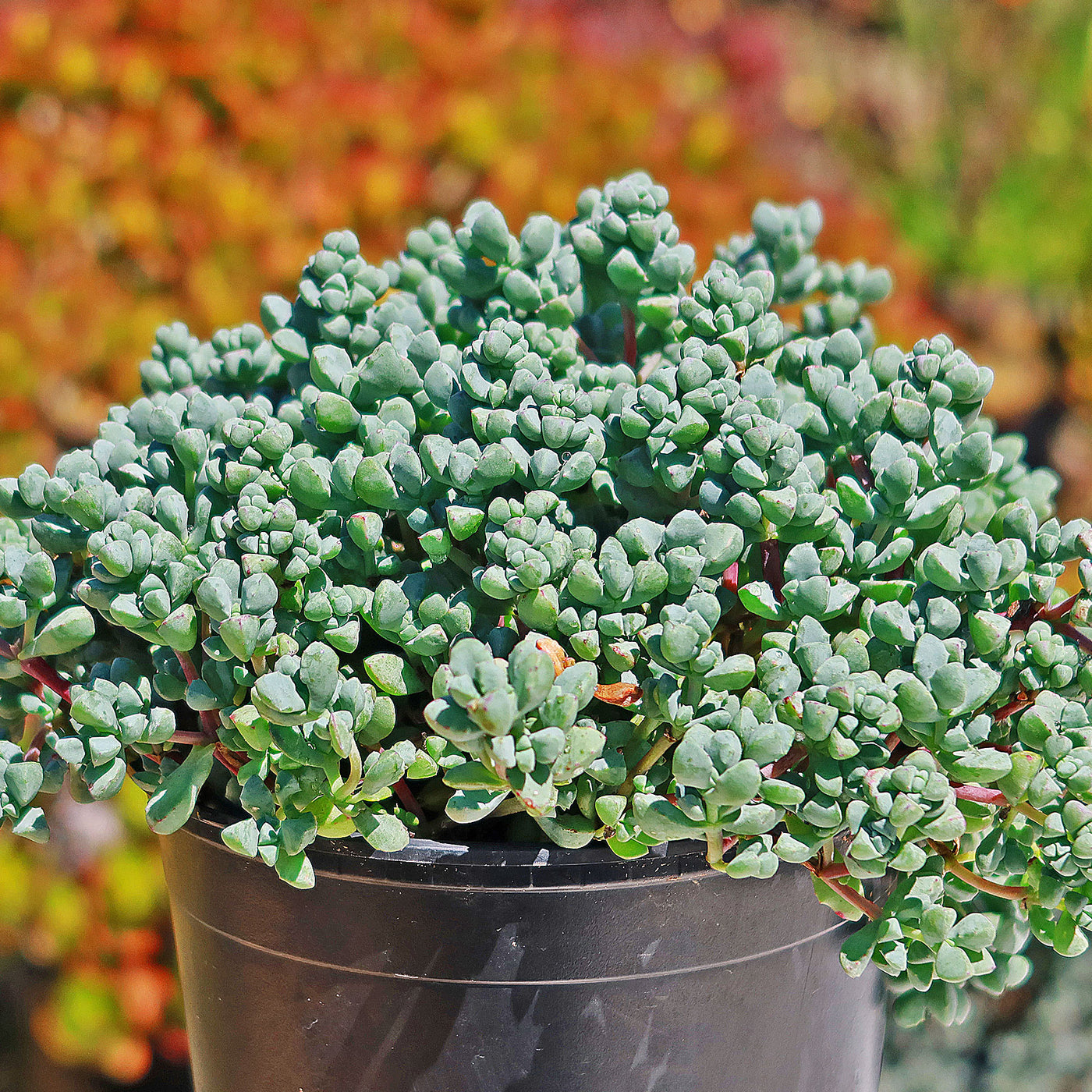
dew plant succulent Shop 'Pink Ice plant Succulent - Oscularia deltoides' Care and Growing GuideIntroducing the Pink ice plant, known as Oscularia deltoides, which is a trailing succulent with pink flowers. Native to South Africa, this low maintenance succulent makes great ground cover and spreads out, forming a colorful mat, and grows well on the rocky edge. Additionally, this pink ice plant can be grown in pots too. The name "ice plant" refers to tiny hairs on the plant's leaves and stems that reflect light in the same way that ice crystals
Introducing the Pink ice plant, known as Oscularia deltoides, which is a trailing succulent with pink flowers. Native to South Africa, this low-maintenance succulent makes great ground cover and spreads out, forming a colorful mat, and grows well on the rocky edge. Additionally, this pink ice plant can be grown in pots too.
The name "ice plant" refers to tiny hairs on the plant's leaves and stems that reflect light in the same way that ice crystals do. The foliage is fleshy and succulent-like, and it darkens as fall temperatures drop. Although ice plants are cold-sensitive, many varieties are evergreen in warm, dry climates.
Ice plants are used in sunny but sheltered desert gardens, rock gardens, slopes, ground cover, and as edging plants.
It is also known as Lampranthus Deltoides, Deltoid Leaved Dew Plant, Tooth-leaf Rock Vygie, Dassievygie, and Sandsteenvygie.
With its small, plump leaves that boast a mesmerizing blue-green hue, this ice plant is sure to turn heads and add drama to any space.
The three-sided leaves of the ice plant are fat and trailing. The color becomes more intense as the pink ice plant ages and is exposed to more sunlight. It can grow up to 1 foot tall and 2 feet wide.
The ice plant flowers bloom during the late spring to summer, with bright pinkish-purple and dazzling magenta-pink flowers. They bloom from every nook and cranny until they completely surround and cover the whole plant. This stunning ground covered with pink flowers is closed up in the morning but open, often to cover the plant, in the afternoon.
The true beauty of this trailing plant is that it can withstand high temperatures and extreme environmental conditions without showing signs of stress. It attracts butterflies.
Leaf cuttings and stem cuttings are the easiest way to propagate these ice plant ground cover.
When and How to Water Your Ice Plant
The ice plant is a succulent that prefers well-draining soil and requires watering only when the soil is dry to the touch. Overwatering can cause root rot and other issues that can damage these pink plants. They can be watered year-round and water regularly from spring to Autumn but reduce the watering frequency in winter; the growth period is early Spring to late Summer.
When watering the pink ice plant, it is important to avoid standing water and to ensure that the soil is able to dry out between watering sessions. The pink ice plant is well-suited to dry climates and can tolerate periods of drought, but it does require a lot of water to thrive.
Remember, watering should be done at the base of the succulent ice plant rather than from above to avoid getting water on the leaves, which can cause damage or rot. With proper watering and care, the pink ice plant can thrive and produce colorful blooms that are sure to brighten up any garden.
Light Requirements - Where to Put Ice Plant
Like many other succulents, the ice plant is sun-loving and also requires direct, bright light to thrive. When grown indoors, place it in the sunniest place in your house. It is ideal to grow this pink flower ground cover in a west- or south-facing window, when it can get 4-6 hours of bright sunlight.
For outdoor cultivation, these oscularia deltoides require full sun to partial shade for at least 6-8 hours of strong light each day. Although light shade in the afternoon is often preferable - especially in hotter climates where the plant might become stressed by the intense heat of the afternoon sun. It's crucial to place your pink plants away from any areas with constant direct sunlight, as doing so could result in burned foliage.
Remember, when planting the pink ice plant, it is important to choose a location that receives full sun throughout the day to maintain its colors. It is well-suited to hot and dry climates and can tolerate high temperatures and intense sunlight.
This pink ice is able to tolerate some shade, but it may not produce as many blooms in areas with less sunlight or in too much shade. With proper light and care, the pink ice plant can thrive and produce beautiful blooms that are sure to add color and interest to any garden or landscape.
Optimal Soil & Fertilizer Needs
The ice plant favors very airy, sandy soil that drains well. Planting them in ordinary soil will result in compacted roots, stunted growth, and, most likely, root rot. Instead, make or buy a well-draining potting mix, or ideally, use our specialized potting mix that contains 5 natural substrates and mycorrhizae to promote the development of a strong root system that helps your succulent to thrive.
When it comes to fertilizer, the pink ice plant does not require a lot of additional nutrients. In fact, too much fertilizer can cause the plant to produce excessive foliage at the expense of blooms. A slow-release natural fertilizer with an equal mix of NPK (5-10-5) can be applied once a year in the spring to help provide the plant with the nutrients it needs to thrive. Care should be taken to avoid over-fertilizing the succulent plant, as this can lead to issues with growth and blooming.
With proper soil and fertilizer, the ice flower plant can thrive and produce beautiful blooms that are sure to add color and interest to any garden or landscape.
Hardiness Zones & More
When growing indoors, it should be kept between 65-75 degrees Fahrenheit to ensure optimal growth. The requirements are fairly flexible, as it can tolerate a wide range of temperatures. However, it is best to keep it in a warm environment with plenty of sunlight to encourage healthy growth.
For outdoor cultivation, this hardy ice plant is suitable outdoors in USDA zones 8-11, making oscularia deltoidesa a versatile plant that can be grown in a variety of climates. However, it is important to ensure that the succulent plants receive enough water to prevent issues with dehydration.
The ice plant is able to tolerate mild frost, but it may struggle in areas with prolonged periods of frost or freezing temperatures. The best way to grow these pink ground covers is in containers, especially for those who live in regions with harsh winters.
When it's cold outside, or there is a chance of snow or frost, you can then bring them inside. There are ways to keep your pink ice plant succulent safe from the cold if you are unable to bring it inside. To help them endure the harsh winter, you can use frost cloths or tiny greenhouses.
Final Thoughts
Overall, the Pink Ice plant Succulent (Oscularia deltoides) is a beautiful and low-maintenance plant that adds a pop of color to any garden or indoor space. With its unique triangular-shaped leaves and ability to thrive in dry conditions, it is an excellent choice for beginner gardeners or those looking to add a touch of vibrancy to their collection. Remember to provide well-draining soil, ample sunlight, and occasional watering to keep this succulent happy and healthy.
Be sure to add Oscularia deltoides - Pink ice plant, to your collection today and elevate the beauty of your home or garden with this stunning-looking plant.
Shipping Notes
- Free Standard Shipping on $100+ Orders to the USA.
- Except Preorder products are shipped in 48 hours.
- Delivery to the USA:
- Standard Shipping : 3-10 business days
- If time is of the essence, please consider selecting expedited delivery for faster service.
Exchange/Return Notes
- We offer a 30-day return/exchange service after receiving.
- Final sale items are not eligible for returns or exchanges.
- To process your return/exchange, please contact us at [email protected]
- Please click here for more details>>> Return & Exchange Policy